Calotropis procera
Scientific name: Calotropis procera
Family: Apocynaceae
Plant introduced in almost all tropical territories.
Edible uses
The latex that flows throughout the plant makes it unusable for food purposes, although there are traces of information that some people have used it to prepare sauces, but certainly in extreme cases and not without some consequences.
Medicinal
Compounds derived from the plant have been found to have emetic-cathartic and digitalic properties. The principal active compounds are asclepin and mudarin.
Other compounds have been found to have bactericidal and vermicidal propertie.
The root bark is an emetic.
An infusion of bark powder is used in the treatment and cure of leprosy and elephantiasis.
It is inadvisable to use bark that has been kept for more than a year.
The extremely poisonous roots are used in the treatment of snakebites.
The leaves are used for the treatment of asthma.
The milky sap is used as a rubefacient and is also strongly purgative and caustic.
The latex is used for treating ringworm, guinea worm blisters, scorpion stings, venereal sores and ophthalmic disorders, it is also used as a laxative.
Its use in India in the treatment of skin diseases has caused severe bullous dermatitis leading sometimes to hypertrophic scars.
The local effect of the latex on the conjunctiva is congestion, epiphora and local anaesthesia.
The latex contains a proteolytic enzyme called caloptropaine.
The flower is digestive and tonic.
It is used in the treatment of asthma and catarrh.
The twigs are applied for the preparation of diuretics, stomach tonic and anti-diarrhoetics and for asthma.
Also used in abortion, as an anthelmintic, for colic, cough, whooping cough, dysentery, headache, lice treatment, jaundice, sore gums and mouth, toothache, sterility, swellings and ulcers.
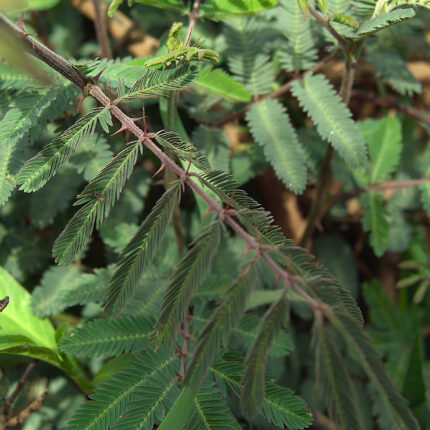
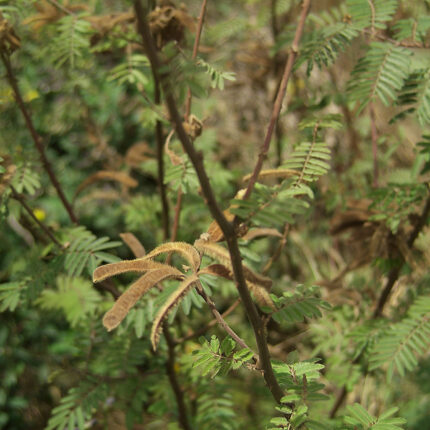
Photo by Marco Billi aka jarguna, Burkina Faso 2008
Related products