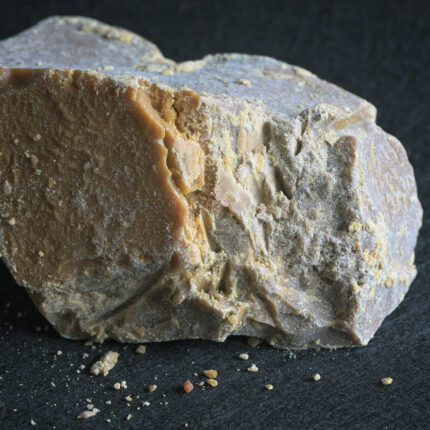
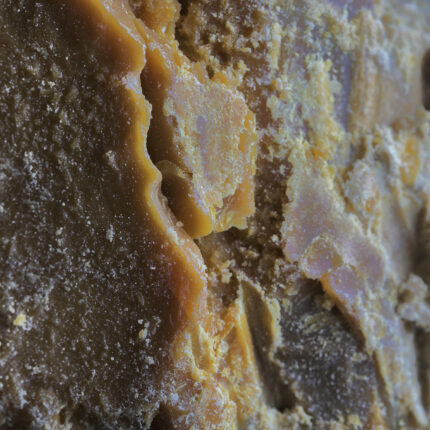
Spikenard (Nardostachys jatamansi), whole rhizomes
Price range: €3.50 through €36.50
Scientific name: Nardostachys jatamansi (D.Don) DC.)
Family: Caprifoliaceae
Local name: Jatamansi, Spikenard, Nardo (Italian)
Plant portion: Rhizomes
Harvest: Nepal
Etymology
The name Nard derives from the Latin nardus, from the Ancient Greek νάρδος (nárdos), from the Hebrew נֵרְדְּ (nērd). This word probably ultimately derives from the Sanskrit नलद (nálada), or from Naarda, an ancient Assyrian city (identifiable today with the modern city of Dohuk in Iraq).
Distribution and habitat
The species is widespread in the Himalayan heights of Bhutan, Nepal, China, India and Myanmar, at altitudes between 3,000 and 5,000 m above sea level
Uses
The rhizome of spikenard, which is found underground, can be crushed and distilled into an intensely aromatic and very thick amber essential oil, called spikenard oil, used as a perfume and as a perfuming smoke bomb among the 11 herbs for incense in the Temple in Jerusalem.
Curiosity
The spikenard flower which symbolizes Saint Joseph is shown in the papal coat of arms of Pope Francis on the right, in the left canton of the tip. Furthermore, in the tradition of the Gospels, it is narrated that Mary of Bethany purchased Nardo oil for Jesus’ feet. The oil, among the most precious things that could be found, cost her as much as three hundred denarii (that is, the salary of a wage-earner for a whole year). Spikenard, a sacred perfume, was considered the symbol of divine love (it was thought to have considerable mystical powers).
Aroma
Earthy, spicy with fruity tones, powdery. Don’t take these words wrong but remember at certain moments a powdered fruit of various molds. Complex and mature aroma, the earthy scent helps to imagine a sense of grounding.
One of the plant I love most.
-jarguna-
| Weight | 10 gr, 100 gr, 25 gr, 250 gr, 50 gr |
|---|
Related products