

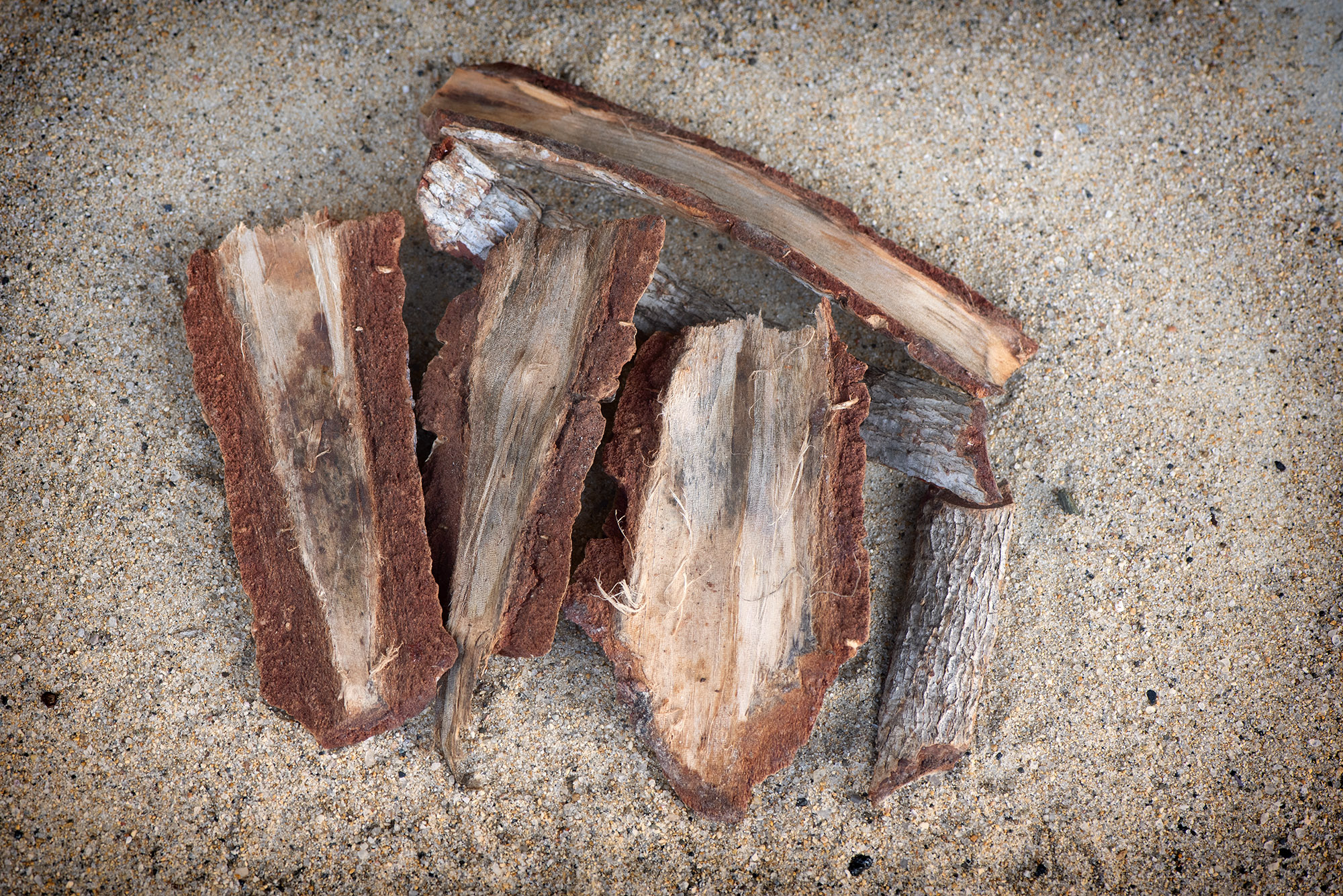
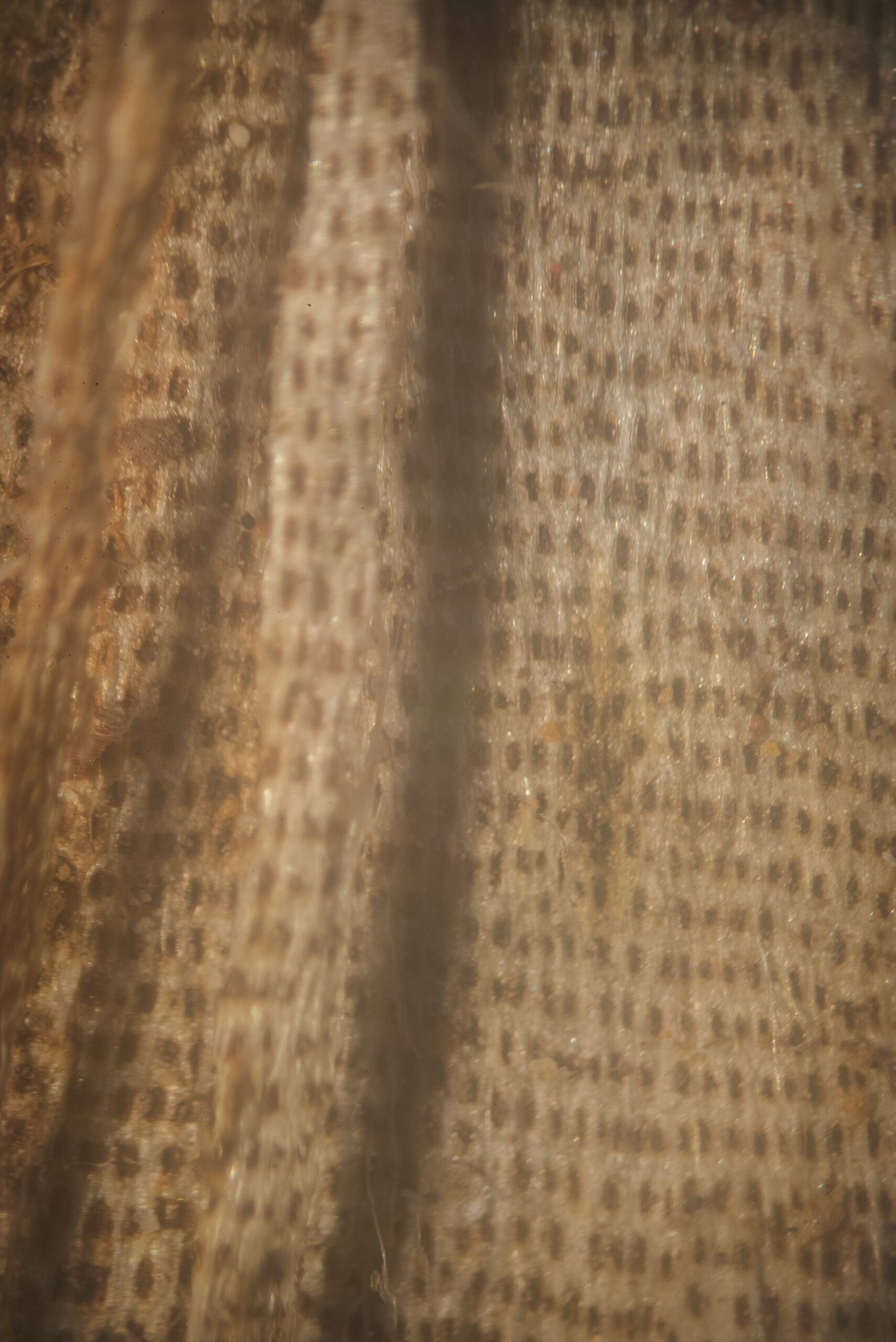
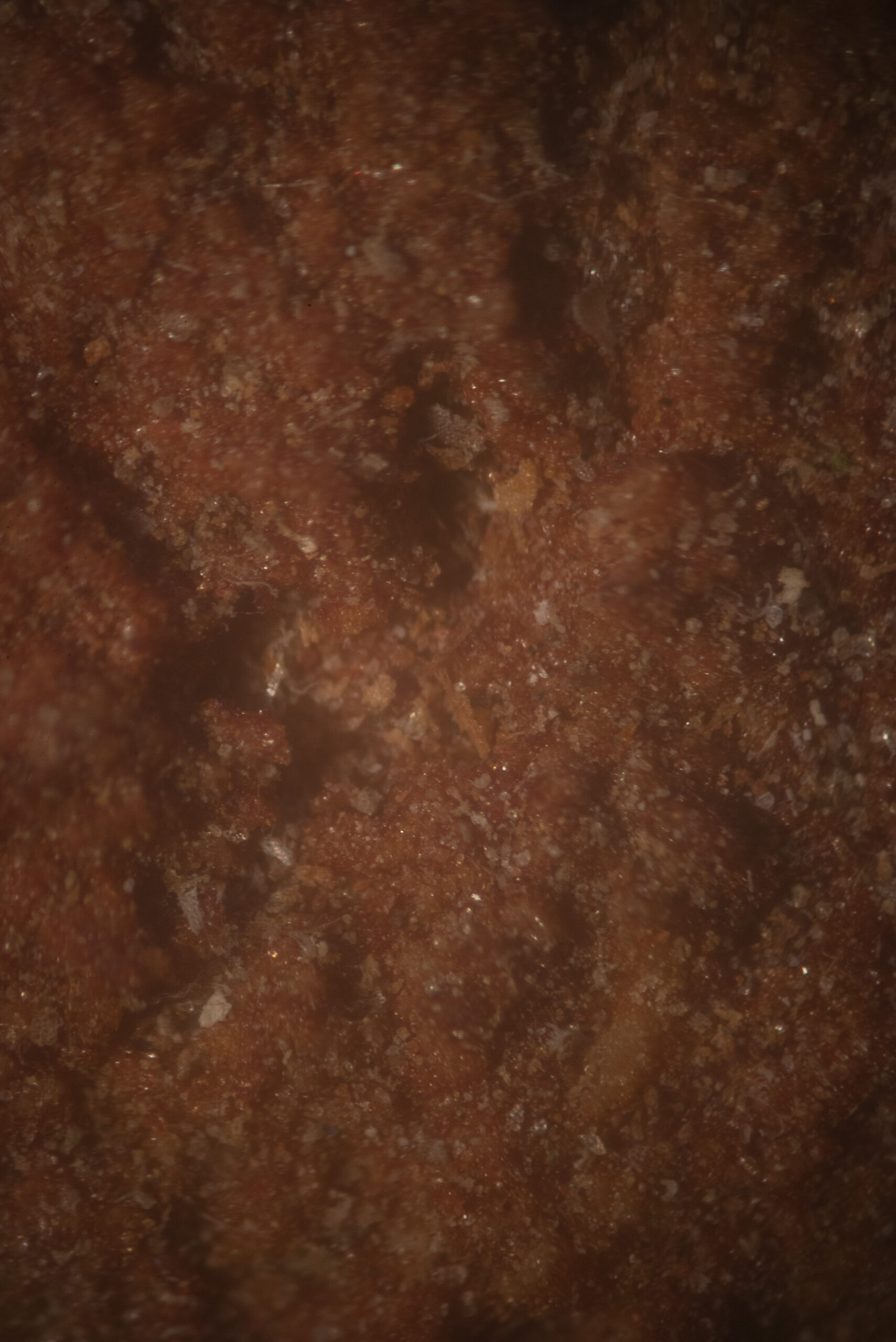
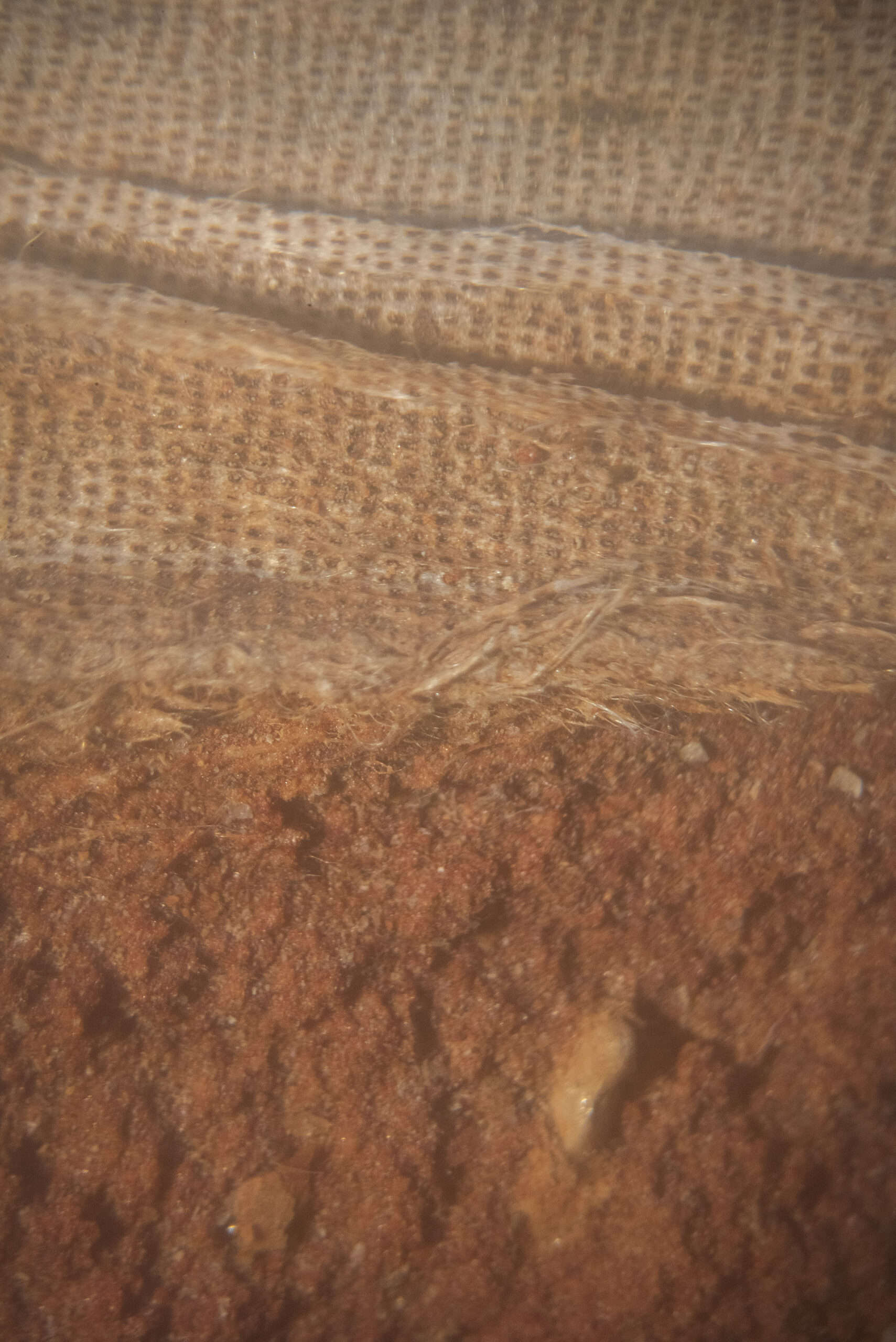
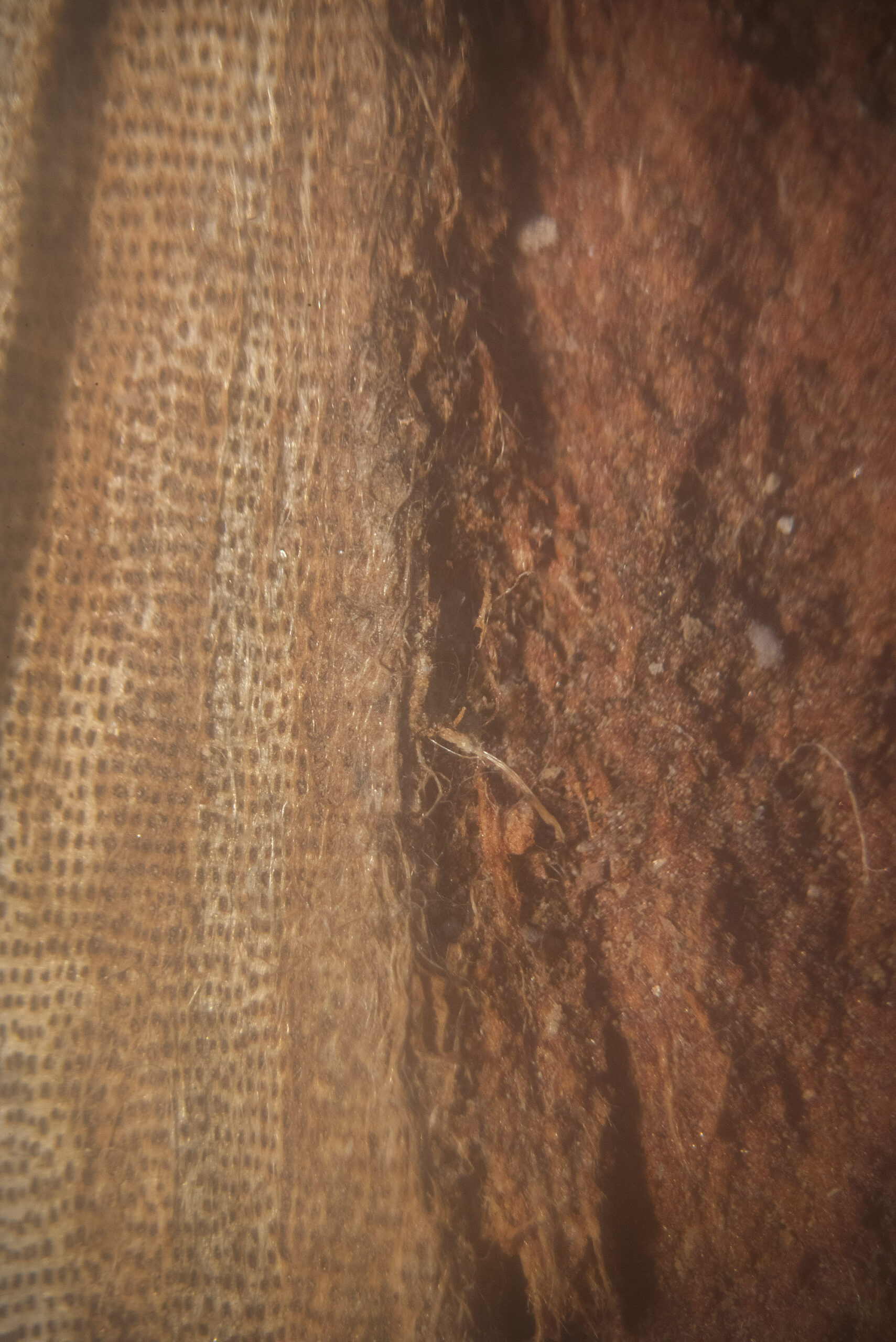
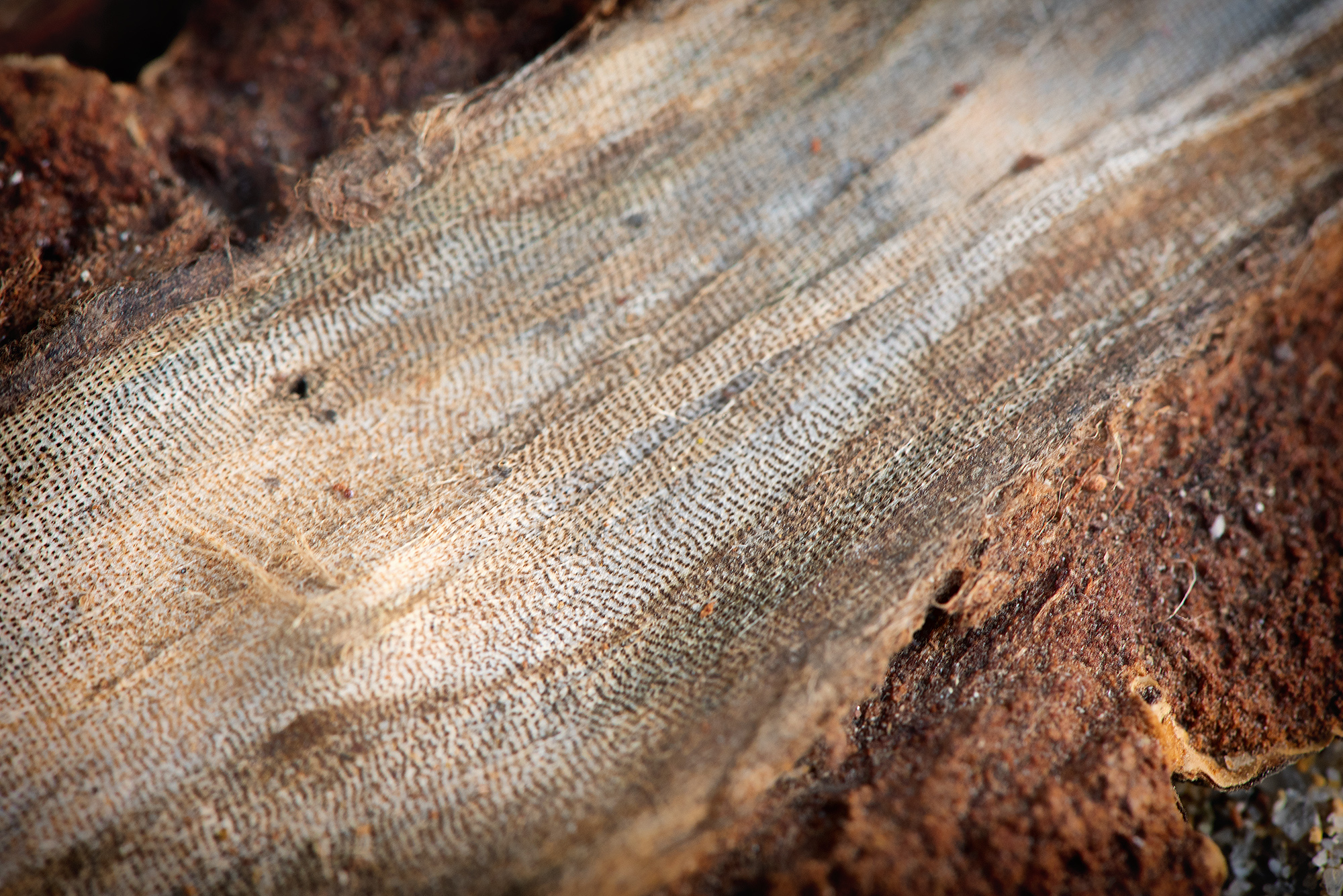
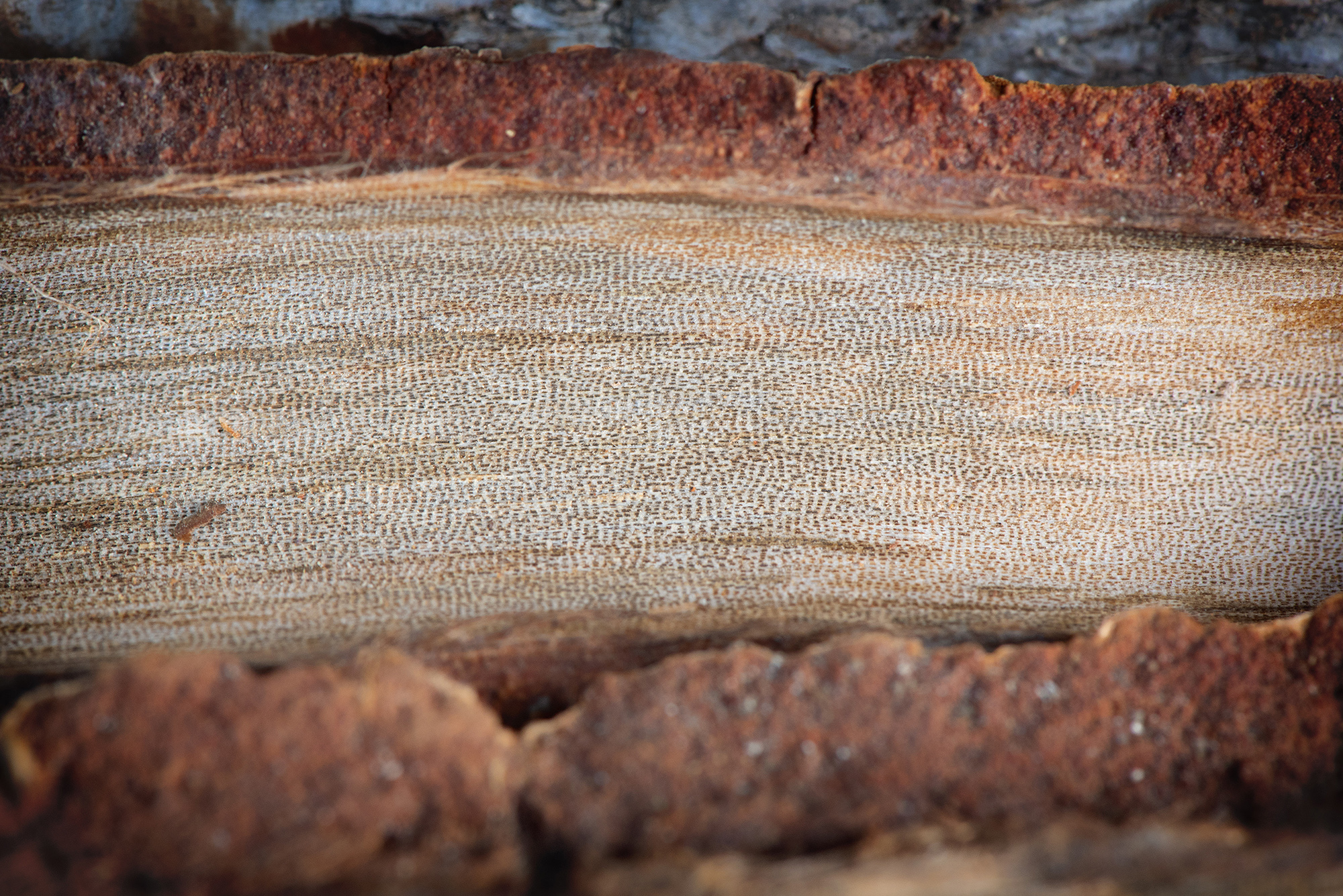
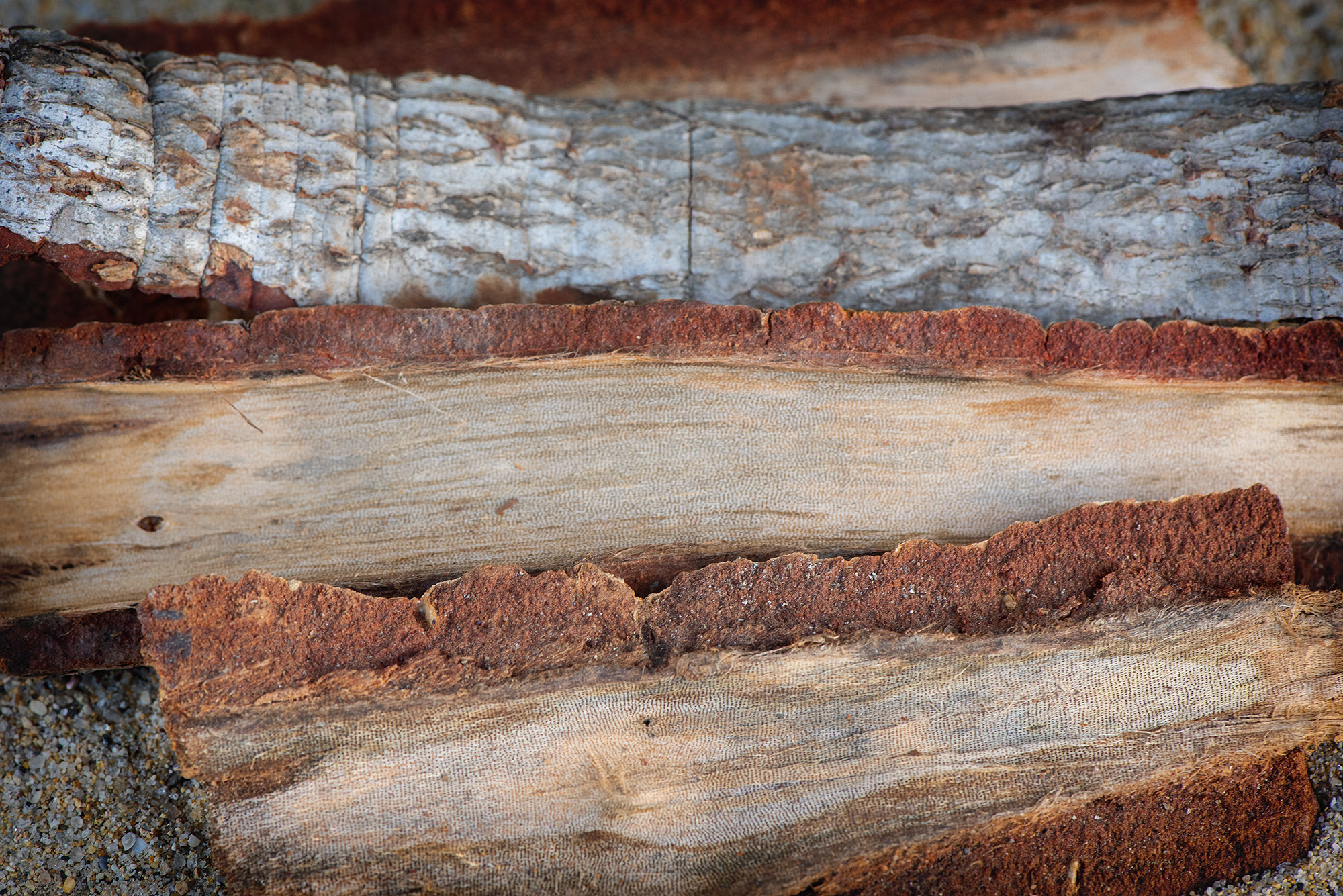
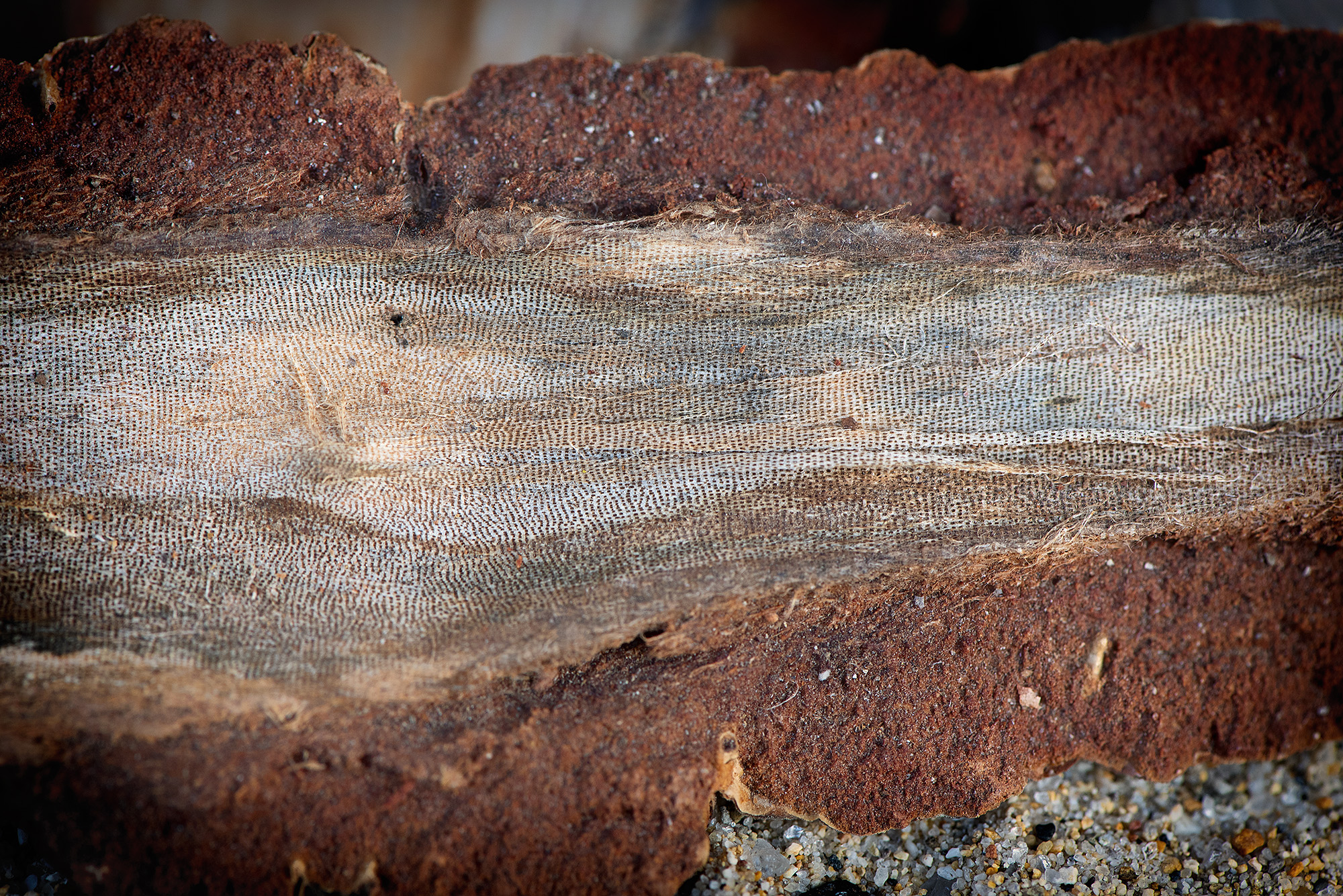
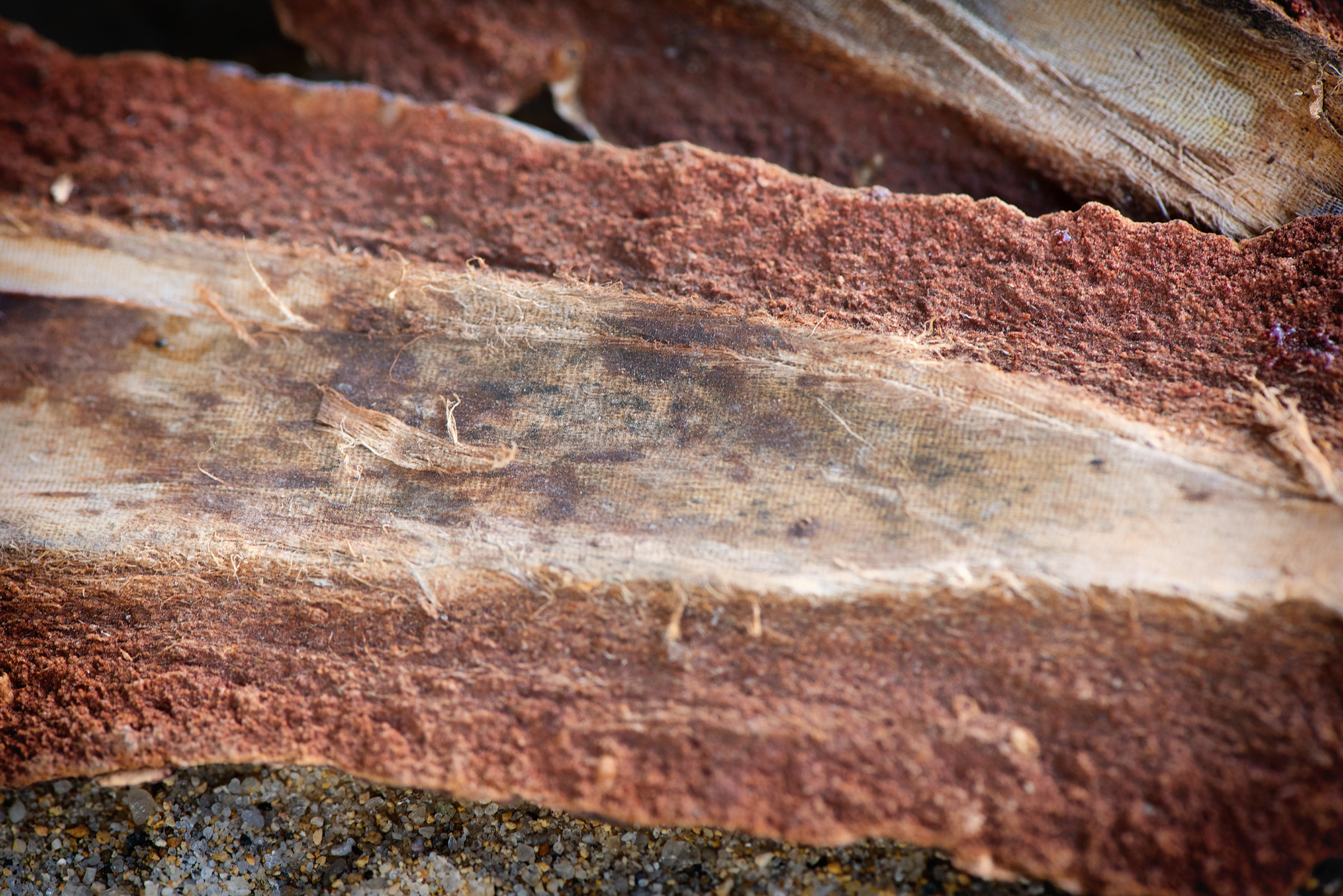
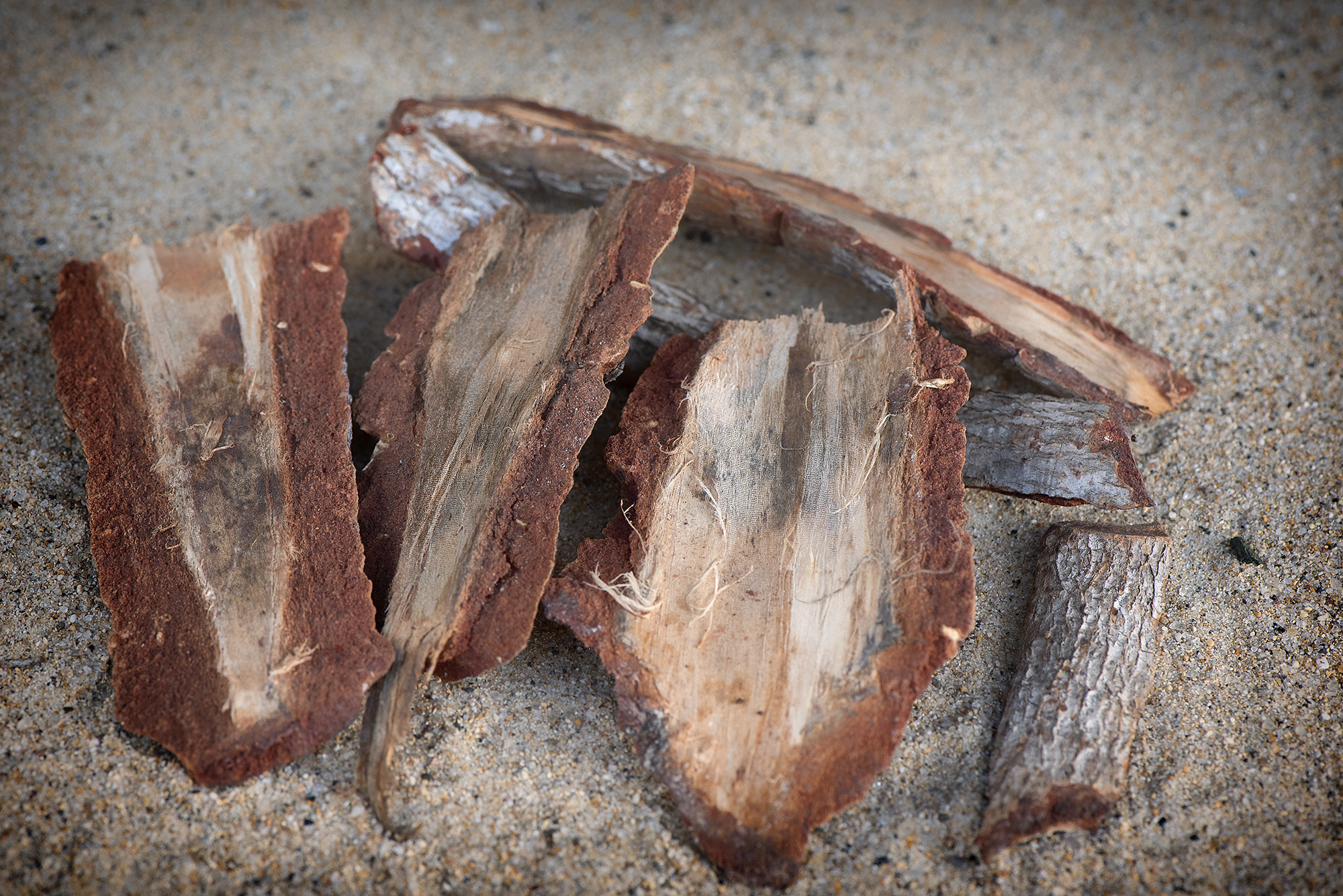
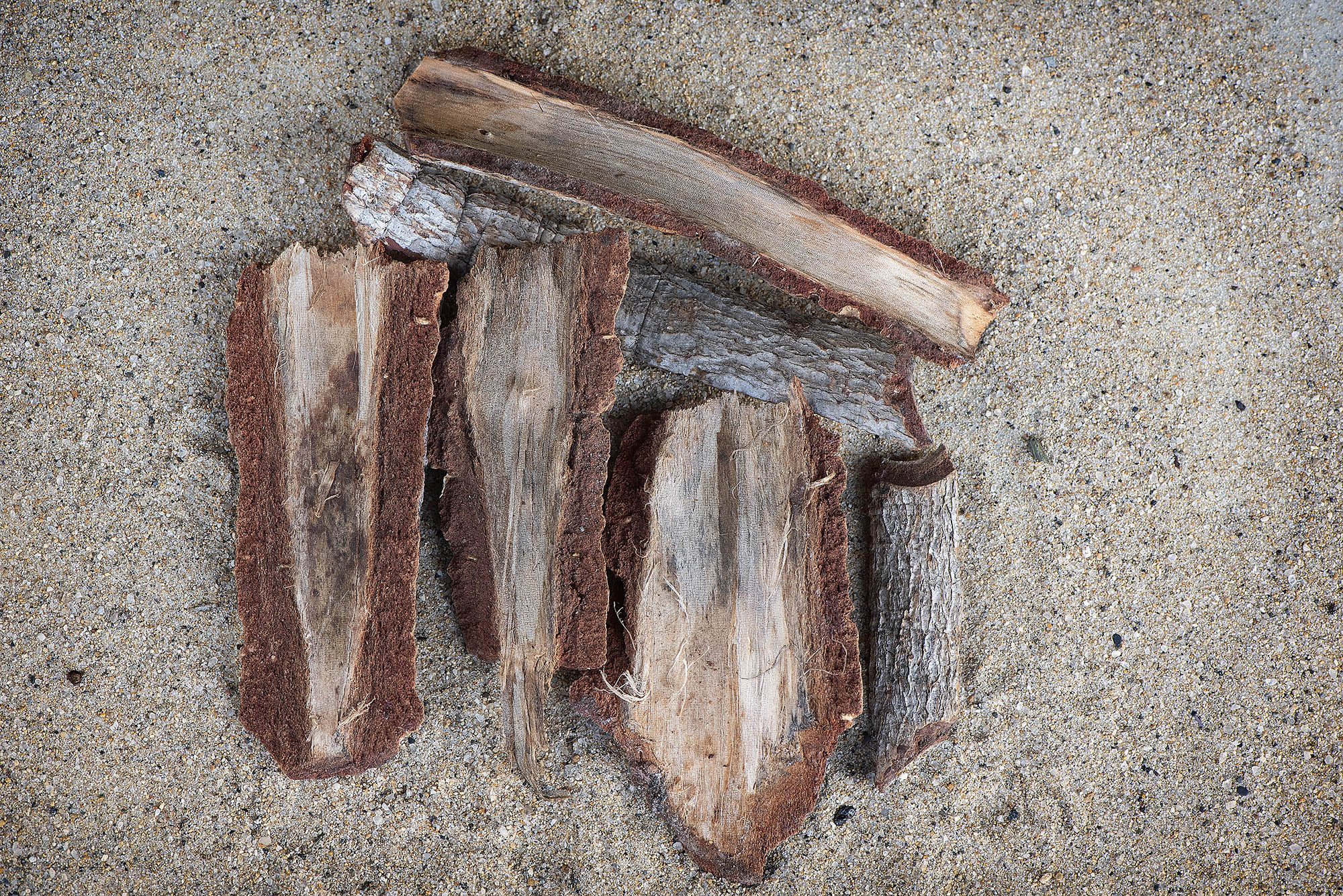
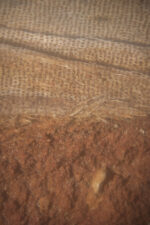
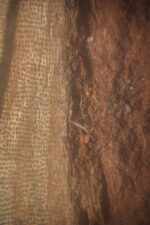
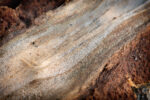
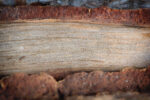
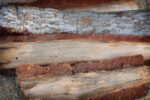
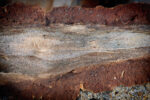
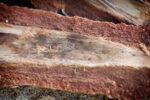
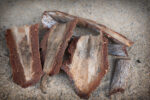
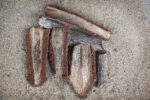
Gnali (Daniellia oliveri) bark
Price range: €1.00 through €7.00
Scientific name: Daniellia oliveri
Family: Fabaceae
Common names: Gnali, Copal
Origin of harvest: Casamanche region, South Senegal
Edible Uses
Tender young leaves – cooked and eaten as a vegetable. The young leaves are only eaten in times of scarcity. The leaves are being used increasingly as a replacement for Vitex doniana leaves, which have become more difficult to obtain due to over-exploitation. The seeds are said to be eaten.
Medicinal
A decoction of the root is used in the treatment of gonorrhoea and skin diseases. The gum-resin, obtained from the wood, is used in the treatment of gonorrhoea. The resin is chewed and swallowed as a laxative.
Applied externally, the gum resin is used to treat abscesses, itchy skin, skin diseases, and as a rub to treat inter-costal pain. The leaves are abortifacient, aphrodisiac, astringent, diuretic, emmenagogue and stomachic. They are used in the treatment of stomach troubles, diabetes, dysmenorrhoea, haemorrhoids.
Whilst the leaves are said to be abortifacient, the flush of new leaf growth is said to be used to prevent miscarriages.
A decoction of the leaves and bark is used as a mouthwash to treat toothache.
The bark is used as a drink and an enema to treat dysmenorrhoea.
An infusion of the powdered bark and buds is used ro relieve headaches.
A decoction of the bark and roots is used to treat the skin disease ‘crawcraw’.
An aqueous extract of the powdered bark has been shown to have effective pain-reduction properties and also to be antioxidant.
Other Uses
An ogea-gum-resin, obtained from the wood, is used for the manufacture of perfume, varnishes and furniture polish. Used locally as a gum.
A brown, fragrant balsam or oleo-resin is obtained from the trunk. It is used as an adulterant of copaiba balsam (from Copaifera species), as a material for torches, to fumigate closed areas etc. The fresh material is obtained by cutting out square pieces of the bark, though most of it is obtained from the ground in a semi-fossilized state.
The heartwood is brown, sometimes with greenish-brown veins; it is not clearly demarcated from the 4 – 12cm wide band of sapwood. The texture is coarse; the grain straight or interlocked. The wood is light in weight, soft; it is not very durable, having a slight resistance to fungi and being susceptible to dry wood borers and termites. It seasons rapidly, with only a slight risk of checking or distortion; once dry it is moderately stable in service. The wood can be worked with ordinary tools, though they need to be kept very sharp because of the risk of fuzzy surfaces; nailing and screwing are good; gluing is correct, though assembling and gluing is sometimes difficult due to the warping of dried veneers. The wood is used for purposes such as boxes and crates, cheaper furniture, interior joinery, blockboard and veneer.
The wood is used for fuel and to make charcoal.
| Weight | 10 gr, 100 gr, 25 gr, 50 gr |
|---|
Related products


